Mile End rubbish removal common problems for estates
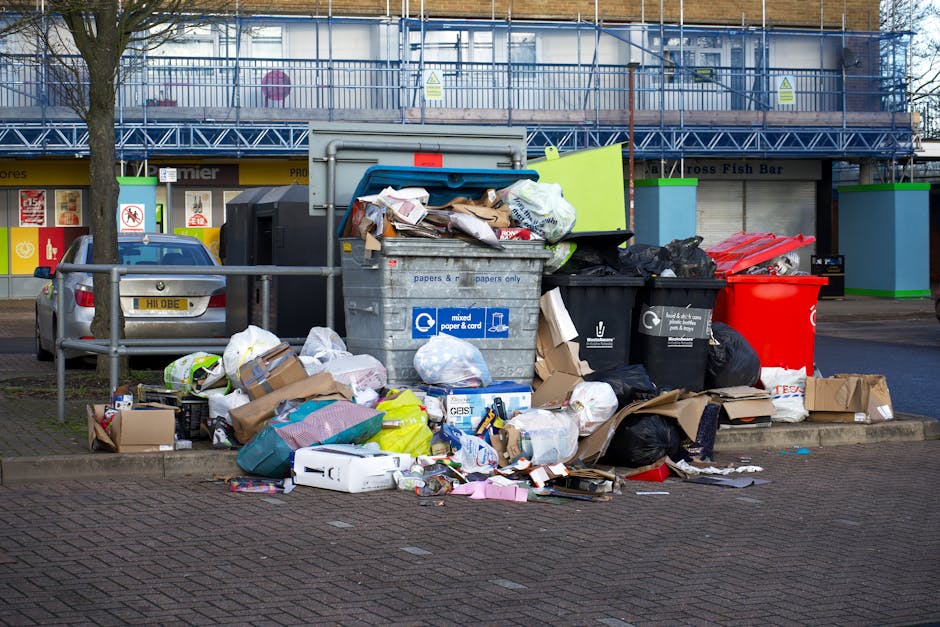
Estate rubbish clearance in Mile End can look simple from the outside: a few bin bags, a broken wardrobe, maybe some old furniture left by a tenant, and then everything is gone. In practice, though, it is rarely that tidy. The real world brings narrow access, shared responsibilities, missed collections, fly-tipping, bulky waste, and the sort of communication gaps that somehow appear the moment a bin store gets full. If you are dealing with Mile End rubbish removal common problems for estates, you are probably trying to keep residents happy, avoid complaints, and get the place back to normal without making a small mess into a bigger one.
This guide breaks down the problems estates run into most often, why they happen, and what actually helps. You will also find a step-by-step process, a practical checklist, and a clear comparison of the main cleanup options. To be fair, the best estate clearance is usually the one nobody notices much at all. Quiet, efficient, and finished before the next complaint lands.
Why Mile End rubbish removal common problems for estates Matters
On an estate, rubbish is never just rubbish. It affects safety, appearance, resident trust, pest control, and often the day-to-day working relationship between managing agents, caretakers, landlords, tenants, and contractors. When waste starts gathering in shared areas, it can create a domino effect: one dumped mattress leads to a second bag of clutter, then someone parks a broken sofa beside the bin store, and suddenly the whole area feels neglected.
Mile End has the added reality of mixed housing stock, busy streets, limited loading space, and properties where access is tighter than you would like. That means estate clearance needs more planning than a standard one-off domestic job. A good rubbish removal plan keeps access clear, avoids disruption, and reduces the chance of a repeat issue next week.
It also helps protect relationships. Residents usually do not complain because they enjoy complaining. They complain because they want their home to feel cared for. If a bin area smells, if bulky waste sits there for days, or if contractors block a walkway, people notice. Fast.
Expert summary: The biggest estate rubbish problems are usually not about the volume of waste alone. They come from access, ownership, timing, and unclear responsibility. Solve those four things and most of the stress drops away.
For larger or recurring jobs, it can help to look at a proper flat clearance service or a dedicated rubbish removal option rather than trying to manage everything piecemeal. If the waste comes from repairs or refurbishment, builders waste support may be the more sensible fit.
How Mile End rubbish removal common problems for estates Works
Estate rubbish removal works best when it is treated like a small operational project rather than a quick lift-and-go job. The first step is identifying the type of waste. That sounds basic, but it matters. General mixed rubbish, furniture, old appliances, garden cuttings, office items, and renovation debris all behave differently. They need different handling, different loading space, and sometimes different disposal routes.
Next comes access. Estates often have gated entry, controlled parking, narrow corridors, shared stairwells, lift restrictions, or bin stores tucked around the back. A crew may need to work around school runs, resident movement, delivery times, or the awkward reality that a van cannot just park outside whenever it likes. In Mile End, that kind of timing issue is very common.
Then comes coordination. A caretaking team may know the problem is in the bin store, but the managing agent may be the person approving it, while residents are the people most affected. If nobody confirms the collection point, loading route, and collection window, the whole thing can stall. The job itself might take less than an hour. The administration around it can take three days. Happens all the time, honestly.
Finally, there is the disposal stage. Responsible removal is not just about taking things away. It is also about sorting where possible, separating reusable materials, and making sure waste is handled in line with normal UK expectations for lawful disposal. If you want a broader service that covers mixed waste and general clearance, waste clearance and waste disposal are worth understanding before you book anything.
In practical terms, the process usually looks like this:
- Identify the waste type and likely volume.
- Check access points, parking, lifts, and any restrictions.
- Agree the collection time with the relevant estate contact.
- Make sure bulky items are separated from loose bags where possible.
- Remove, load, and clear down the area properly.
- Confirm any lingering issues, such as extra fly-tipped material or hidden waste.
That last point is easy to miss. A tidy bin store can hide a second pile behind it. You notice it only when you are already there. Of course.
Key Benefits and Practical Advantages
The value of getting estate rubbish removal right is not just aesthetic. Yes, a clean estate looks better. But the practical advantages go much further than that.
- Safer shared areas: Less trip risk, fewer blocked entrances, and reduced chance of items falling or shifting.
- Better resident satisfaction: People feel looked after when shared spaces are kept under control.
- Fewer pest problems: Overflowing waste tends to invite pests and unpleasant smells.
- Smoother contractor access: Trades can move through the estate without wrestling around old furniture or random debris.
- Lower chance of repeat dumping: If a messy area is left uncleared, others often add to it. Clear it promptly and that habit is less likely to start.
- Cleaner compliance trail: When waste is managed properly, it is easier to show that the estate acted responsibly.
There is also a subtle benefit that people overlook: morale. A clean estate changes how residents treat the place. If the bin area is orderly and the walkway is clear, people tend to behave a bit better around it. Not magically, but enough to matter.
For some estates, the right approach is more than one service type. A cluttered storage area might need home clearance, while a pile of unwanted chairs and wardrobes may be better handled through furniture disposal. If there are broken settees, sofa removal can save a lot of lifting and a lot of headache.
Who This Is For and When It Makes Sense
This topic is relevant if you manage, maintain, or live on an estate where rubbish builds up in shared spaces. The typical audience includes managing agents, resident associations, freeholders, landlords, block managers, caretakers, concierge teams, and maintenance contractors. It also applies to tenants and leaseholders who are tired of seeing the same bulky item sitting by the bins for a week.
It makes sense to book a dedicated rubbish clearance response when:
- the bin store is overflowing and ordinary collections are not enough;
- someone has dumped furniture, bags, or renovation waste in a communal area;
- a flat has been emptied and leftover items need to be cleared quickly;
- the estate is preparing for repairs, inspections, or handovers;
- you need one-off support after a tenant move-out or a storage area reset.
In those cases, a general service like rubbish clearance may be enough. If the issue is connected to a wider property cleanout, house clearance or garage clearance may be a better fit. For office-related estate units or commercial spaces, office clearance is the more appropriate route.
Some estates also need a regular collection rhythm rather than a one-off visit. In that case, a planned rubbish collection or recurring waste collection arrangement can be a calmer, less reactive way to manage things.
Step-by-Step Guidance
If you want fewer surprises, the job needs a basic process. Nothing fancy. Just a sequence that keeps people informed and the estate accessible.
1. Walk the site first
Start with a quick site walk. Look at where the waste is sitting, how easy it is to reach, and whether there are obstacles like locked gates, tight turns, or low ceilings in bin stores. It takes minutes and saves awkwardness later.
2. Separate the waste types
Separate general rubbish from bulky items, garden waste, and anything that looks like construction debris. This helps with loading and may also affect the disposal method. A mixed pile can become messy very quickly, especially if it has wet cardboard or broken wood in it.
3. Identify the access plan
Decide where the vehicle can wait, where the crew should enter, and whether a lift or stair route is needed. If parking is uncertain, build in extra time. Mile End traffic does not exactly forgive late arrivals.
4. Notify the right people
Let the estate contact, caretaker, and if needed residents know when work will happen. A short notice about noise, loading, or temporary obstruction can prevent a fair amount of grumbling.
5. Clear the obvious problem first
Take away the biggest blockers first: mattresses, wardrobes, piles of loose rubbish, broken furniture, or dumped bag waste. That instantly improves access and often reveals hidden waste behind it.
6. Check for leftovers
Once the main removal is done, do a slow check of corners, behind bins, and beside fence lines. Shared estates have a way of hiding one more bag. Then another one. Annoying, but normal.
7. Confirm the estate is usable again
The final step is simple: make sure the area is safe, walkable, and ready for residents. If there is still a smell, spill, or residue, it should be dealt with before the team leaves.
Expert Tips for Better Results
After enough estate jobs, a few patterns become obvious. The jobs that go smoothly usually have better planning, clearer ownership, and a lower tolerance for "we'll sort it later." Here are the habits that make a real difference.
- Use one named contact: Too many voices slow everything down. Pick one person who can approve access and answer questions quickly.
- Book before the pile becomes a problem: Once waste begins to spill into walkways, everyone feels under pressure. Earlier is easier.
- Keep a simple photo record: Before-and-after images are useful for internal records and for explaining the issue to residents or landlords.
- Plan around resident routines: School drop-offs, bin day, or quiet hours matter more than people think. A lot more.
- Choose the right service level: Not every estate issue is a standard rubbish load. Sometimes you need furniture disposal, sometimes builders waste, sometimes a full waste removal sweep.
- Watch for recurring hotspots: If the same corner keeps attracting dumped items, the problem is probably behavioural or access-related, not just operational.
If the estate includes landscaped areas, a one-off garden clearance can tidy overgrown corners, old plant waste, and forgotten cuttings that otherwise make the estate feel messy. That sort of detail matters more than people admit.
And a small human truth: if you tidy the hidden spots, residents notice. Maybe not with a fanfare, but they do notice. The smell in the bin area, the stacked pallets, the extra mattress behind the fence - those tiny irritants shape how people feel about the whole building.
Common Mistakes to Avoid
Most estate rubbish problems get worse because of a few predictable mistakes. None of them are dramatic on their own. Together, they create delay, extra cost, and a bit of chaos.
- Leaving bulky waste too long: A single item left in a communal area encourages more dumping.
- Assuming the bin store will "sort itself out": It usually will not. Shared spaces need intervention.
- Underestimating access problems: A clearance plan that ignores parking or lift restrictions is a plan that may fail.
- Mixing everything together: Loose rubbish, heavy furniture, and construction debris should not all be handled the same way.
- Not checking hidden corners: Behind bins, under stairwells, and near service doors are classic trouble spots.
- Booking the wrong type of clearance: A sofa pile is not the same as builders waste. The labels matter because the work does.
Another common slip is forgetting to think about noise and timing. If a team is lifting heavy items early in the morning or right at peak resident movement, even a good job can feel disruptive. That is avoidable, which is why it is frustrating when it happens.
If your estate has larger mixed waste or recurring fly-tipped material, waste removal is often the more flexible option than trying to force everything into a single collection category.
Tools, Resources and Recommendations
You do not need a warehouse of equipment to handle estate clearance properly, but the right basics help. A decent process and a few practical tools can make the work safer and quicker.
- Site access notes: Keep a short written note about gates, codes, parking, and loading points.
- Photo log: Useful for showing before-and-after conditions and tracking repeat problem areas.
- Resident notice template: A plain, calm message explaining what is happening, when, and what areas may be affected.
- Waste segregation plan: A simple distinction between general rubbish, bulky furniture, garden waste, and building debris.
- Contact sheet: One point of contact for the agent, caretaker, and contractor. Makes life easier, honestly.
As a recommendation, estates with mixed property use often benefit from having a broader service relationship in place. If your site includes small businesses or shared commercial spaces, business waste support can complement residential clearance. For individual flats, flat clearance may be more suitable than a general lift-and-load approach.
When you are choosing a provider, look for signs of clear communication, realistic timing, and comfort with the kind of access issues estates usually throw at people. That matters more than polished promises. Always.
Law, Compliance, Standards, or Best Practice
Estate rubbish removal touches on legal and practical responsibility, so it is worth being careful. In the UK, waste should be handled and disposed of lawfully, and anyone removing waste should be operating responsibly. For estate managers and landlords, the safe approach is to make sure the work is carried out by people who understand lawful disposal and can describe what happens to the waste in plain English.
You do not need to turn a simple clearance into a legal seminar, but a few best-practice points are worth following:
- Keep records of what was removed and when.
- Use contractors who can explain how waste is handled.
- Do not leave waste in a way that creates a nuisance or safety risk.
- Be careful with items that may need special handling, such as electricals, sharp metal, or contaminated materials.
- For estates with shared responsibilities, agree who is authorising the work and who is responsible for access.
Best practice is also about respecting residents. Communicate clearly, keep noise and obstruction to a minimum, and remove waste promptly rather than staging it across several days if that can be avoided. A clean, lawful, well-timed clearance is usually the best balance of compliance and courtesy.
If you are unsure how to handle a particular waste mix, especially after refurbishment or maintenance, a service such as builders waste support or waste clearance may be the cleaner solution than treating it as ordinary household rubbish.
Options, Methods, or Comparison Table
Different estate problems need different responses. Here is a simple comparison of the main approaches people usually consider.
| Option | Best for | Strengths | Limitations |
|---|---|---|---|
| One-off rubbish removal | Small-to-medium estate clearances, dumped items, quick recovery jobs | Fast, flexible, good for immediate problems | May not suit ongoing overflow or repeated waste issues |
| Planned waste collection | Regular bin store pressure or repeat rubbish build-up | More predictable, prevents escalation | Needs coordination and recurring oversight |
| Bulk furniture disposal | Old sofas, wardrobes, beds, broken communal furniture | Good for large awkward items | Not ideal if the waste mix is varied and mixed |
| Builders waste clearance | Repairs, refurbishments, maintenance debris | Handles heavier, messier waste streams well | May be overkill for simple domestic rubbish |
| Full clearance | Vacated flats, storage rooms, end-of-tenancy estate issues | Comprehensive and tidy | Usually more involved than a standard collection |
For estates, the key question is not "What is the cheapest way?" It is "What solves the problem cleanly the first time?" Those are not always the same thing. In fact, they often are not.
Case Study or Real-World Example
Here is a typical scenario from a Mile End-style estate, simplified but very familiar. A block had recurring dumping beside the bin area: a broken chest of drawers, several bags of household rubbish, a damaged chair, and some loose cardboard that had clearly been there long enough to get soggy and tired-looking. Residents were irritated, the caretaker was chasing it, and the managing contact was stuck trying to work out whether it was a one-off or a wider pattern.
The first problem was access. Vans could not simply park anywhere, and the bin area sat tucked behind the building with a narrow route in. The second problem was ownership. Everyone knew it was an issue, but nobody had logged who should act first. The third problem was timing. The pile kept being added to, so even when part of it was removed, more waste appeared almost immediately.
The fix was straightforward but not instant. The estate arranged a focused clearance, removed the bulky furniture first, checked behind the bin store and around the service area for hidden waste, and then introduced a clearer reporting route for future dumping. Nothing glamorous. Just methodical. The difference was visible by the end of the same day, and the area felt like part of the estate again rather than a forgotten corner.
That kind of result is why planning matters. The waste itself was not unusual. The surrounding problems were.
Practical Checklist
Use this checklist before booking or starting an estate clearance. It keeps things calm, which is half the battle.
- Have you identified the exact waste type?
- Do you know where the items are located?
- Is access clear for a crew and vehicle?
- Has one person been assigned to coordinate the job?
- Have residents or caretakers been told about the timing?
- Are bulky items separated from loose rubbish?
- Have you checked for hidden waste behind bins, fences, or stairwells?
- Do you need a one-off clearance or a regular collection plan?
- Are there any items that may need special handling?
- Is there a follow-up plan if dumping happens again?
If you can answer most of those with confidence, you are already ahead of many estate jobs. Really ahead, in some cases.
Get a free quote today and see how much you can save.
Conclusion
Mile End estate rubbish removal becomes difficult when small operational issues are ignored. Access gets overlooked, bulky waste sits too long, resident communication is patchy, and before you know it, a manageable clearance turns into a recurring headache. The good news is that most of these problems are predictable, which means they are also preventable.
If you focus on access, timing, waste type, and clear responsibility, you will usually get a far better result with less friction. That is the real lesson here. Not perfection. Just control. A tidy estate feels calmer, safer, and more looked after, and people do respond to that.
And yes, there will always be another rogue mattress or a mystery bag by the bin store. But with the right approach, it does not have to define the estate. Small wins add up.
A well-kept shared space has a quiet kind of dignity about it, and honestly, that goes a long way.
Frequently Asked Questions
What are the most common rubbish removal problems on Mile End estates?
The most common issues are poor access, bulky items left in shared spaces, overflowing bin stores, unclear responsibility, and waste being dumped in the same spot repeatedly.
Why do estates need different rubbish removal planning from regular homes?
Estates involve shared access, more people, tighter coordination, and higher visibility. A missed step affects residents, caretakers, and contractors all at once.
How do I know if I need rubbish removal or waste collection?
If you have a one-off mess or a sudden dumping issue, rubbish removal is usually the better fit. If the problem is recurring or tied to regular overflow, waste collection may be more suitable.
Can bulky furniture be removed from an estate bin area?
Yes, usually. Items like sofas, wardrobes, tables, and beds are often handled through furniture disposal or sofa removal, depending on what needs to go.
What should I do if waste keeps being dumped in the same place?
Remove it quickly, inspect the area for access or lighting issues, and make sure residents know how to report repeat dumping. Sometimes the fix is simple, sometimes not, but speed helps.
Is builders waste treated differently from normal rubbish?
Yes. Builders waste is typically heavier, messier, and more likely to include materials from repairs or refurbishment, so it should be handled as a separate waste stream.
How can an estate manager make rubbish removal easier to organise?
Assign one contact, keep site access notes ready, take photos, and decide whether the problem is a one-off or something that needs a regular collection arrangement.
What are the biggest mistakes estates make with rubbish clearance?
The biggest mistakes are leaving waste in place too long, failing to check hidden corners, underestimating access issues, and using the wrong service type for the job.
Do estates need to keep records of waste removal?
Keeping a basic record is a sensible best practice. It helps with internal reporting, resident communication, and showing that the estate acted responsibly.
What if the estate has both residential and commercial waste?
Then it is worth separating the streams. Residential rubbish, business waste, and mixed items are easier to manage when each is assessed on its own terms.
How quickly should estate rubbish be removed after it is spotted?
As quickly as practical. The longer it stays, the more likely it is to attract more dumping, create complaints, or become a nuisance.
Which service is best for a vacant flat full of leftover items?
A flat clearance service is usually the better choice, especially if the job includes mixed items, furniture, and general clutter rather than just loose rubbish.
What is the safest way to handle waste in communal areas?
Keep walkways clear, avoid stacking items where they can fall, separate sharp or heavy objects, and make sure the area is restored properly after removal.
Can regular waste clearance help stop estate problems from getting worse?
Yes. Regular waste clearance or planned collection often prevents the small build-ups that lead to bigger shared-space problems later on.